Popular Ingredients in Soft Gel Products: A Comprehensive Guide
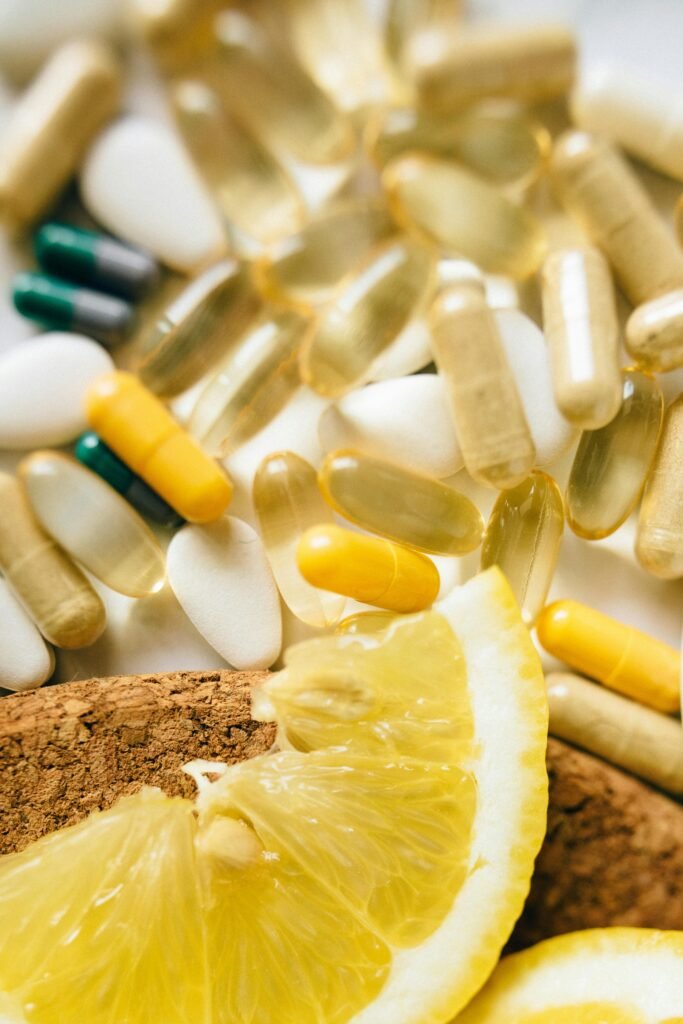
Popular Ingredients in Soft Gel Products: A Comprehensive Guide
Soft gels offer unique advantages for supplement delivery. What are the key benefits and popular ingredients in this format?
Soft gels are a popular choice for delivering fat-soluble vitamins, minerals, and other nutrients due to their enhanced absorption, ease of swallowing, and dosage flexibility.
[Soft Gels: Enhanced Delivery]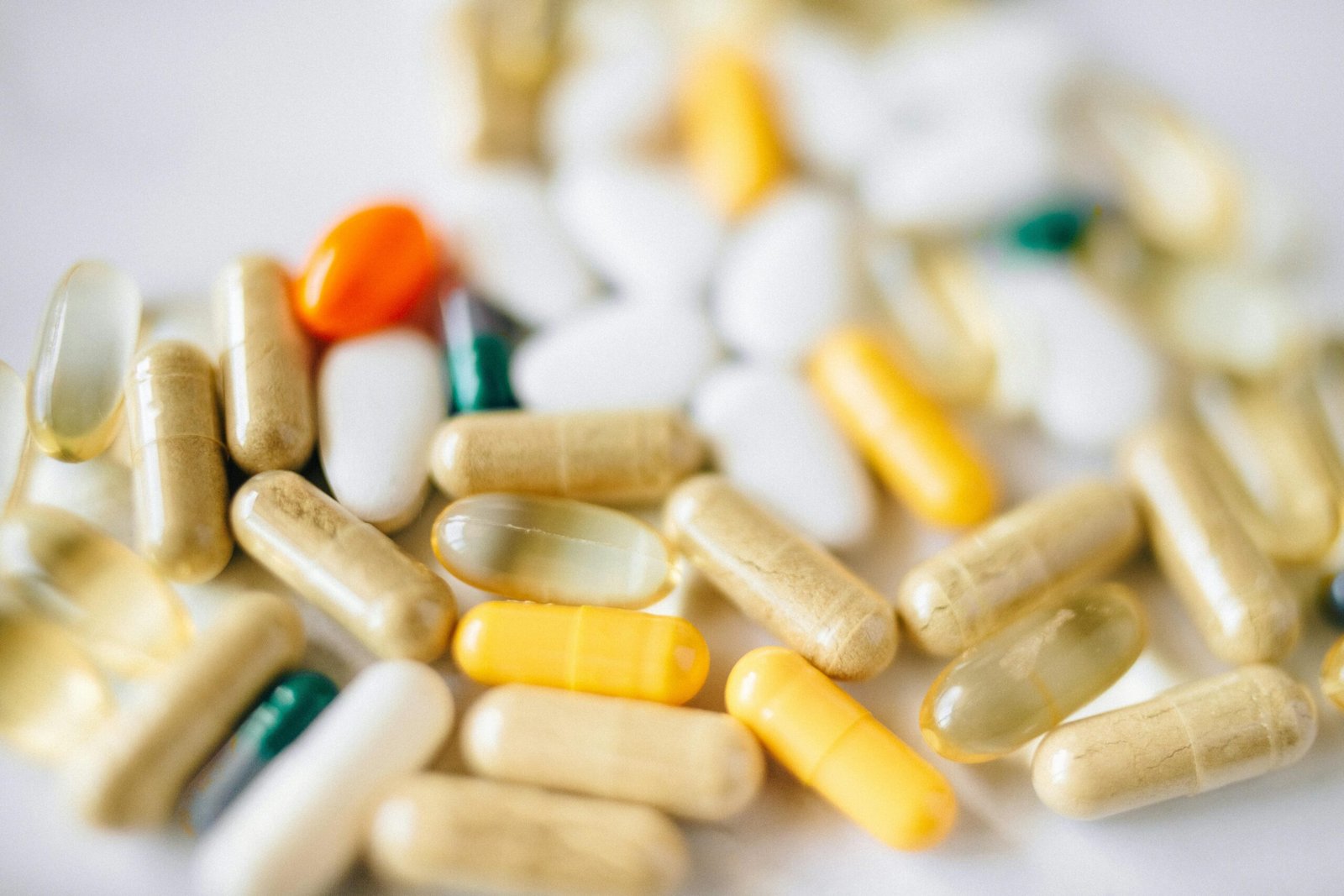
Let’s explore the world of soft gels, from their definition to the most sought-after ingredients, and how they stack up against other delivery methods.
What Exactly Are Soft Gels?
What makes soft gels different from other supplement forms like tablets or capsules? Understanding their structure is key.
Soft gels are single-piece, hermetically sealed capsules containing a liquid or semi-solid fill, typically composed of gelatin, plasticizers, and water, offering enhanced protection and delivery of the enclosed ingredients.
[Soft Gel Structure]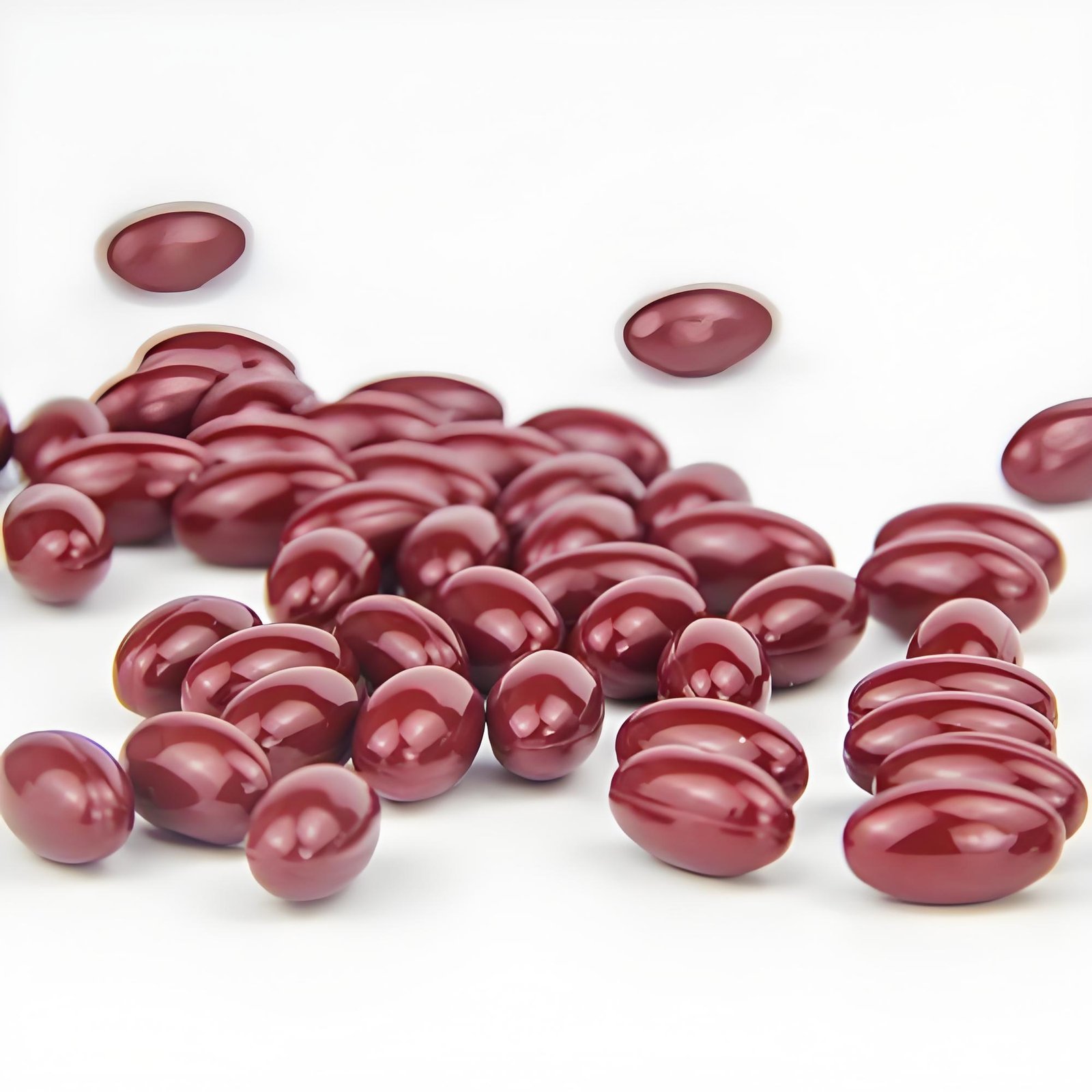
Soft gels, also known as soft capsules or liquid gels, stand out because of their seamless design. Unlike two-piece hard capsules, soft gels are formed, filled, and sealed in a single operation. This process typically involves:
- Gelatin Preparation: Gelatin, the primary component, is mixed with plasticizers like glycerin or sorbitol to create a flexible shell material.
- Fill Material: The active ingredients are dissolved or suspended in a liquid carrier, often oil-based, to ensure proper dispersion and absorption.
- Encapsulation: Using specialized machinery, two ribbons of gelatin are brought together, with the liquid fill injected between them, simultaneously forming and sealing the capsule.
- Drying: The newly formed soft gels are dried to reduce moisture content and improve their stability.
This unique manufacturing process results in a smooth, easy-to-swallow capsule that protects the enclosed ingredients from oxidation and degradation, ensuring optimal delivery.
What Are the Key Benefits of Soft Gel Formulations?
Why are so many brands choosing soft gels over other delivery systems? It boils down to several key advantages.
Soft gels offer improved bioavailability, enhanced protection of ingredients, greater dosage flexibility, and a consumer-friendly format that’s easy to swallow and digest.
[Benefits of Soft Gels]
The popularity of soft gels stems from a combination of factors that benefit both manufacturers and consumers:
- Enhanced Bioavailability: The liquid or semi-solid fill allows for better dissolution and absorption of the active ingredients, particularly for fat-soluble nutrients.
- Improved Stability: The hermetically sealed shell protects the contents from oxidation, moisture, and light, extending the shelf life of sensitive ingredients.
- Dosage Flexibility: Soft gels can accommodate a wide range of fill volumes and ingredient concentrations, allowing for customized formulations.
- Consumer Appeal: The smooth, flexible shell is easy to swallow, and the visually appealing format can enhance consumer perception of product quality.
- Reduced Odor and Taste: Encapsulating ingredients in a soft gel can mask unpleasant odors or tastes, improving the overall consumer experience.
I have seen firsthand how switching to soft gels can increase customer satisfaction, especially for supplements with strong or bitter flavors.
Popular Ingredients in Soft Gels: Vitamins
Vitamins are a cornerstone of the supplement industry. Which ones thrive in soft gel formulations?
Fat-soluble vitamins like D, E, A, and K are commonly formulated in soft gels to maximize absorption, along with omega-3 fatty acids and CoQ10.
[Vitamins in Soft Gels]
Soft gels are particularly well-suited for delivering vitamins with poor water solubility or those prone to degradation. Some of the most popular vitamin ingredients in soft gels include:
- Vitamin D: Essential for bone health and immune function, vitamin D is often formulated in soft gels to enhance absorption, especially in high-dose formulations.
- Vitamin E: A potent antioxidant, vitamin E benefits from the protective environment of a soft gel, which prevents oxidation and ensures potency.
- Vitamin A: Important for vision and immune function, vitamin A is another fat-soluble vitamin that is effectively delivered in soft gel form.
- Vitamin K: Crucial for blood clotting and bone health, vitamin K is often combined with vitamin D in soft gels for synergistic effects.
- Omega-3 Fatty Acids: Found in fish oil and other sources, omega-3s benefit from soft gel encapsulation, which protects them from oxidation and rancidity.
- CoQ10: An antioxidant and energy booster, CoQ10 is often formulated in soft gels to improve its bioavailability and stability.
I once worked with a brand that struggled with vitamin E potency in their capsules. Switching to soft gels solved the problem immediately and improved their shelf life by 18 months.
Vitamin D in Soft Gels: A Closer Look (vitamin d softgels vs tablets)
Why is vitamin D such a perfect match for soft gel delivery? The science is clear.
Vitamin D soft gels offer superior absorption compared to tablets, ensuring more consistent and effective elevation of serum vitamin D levels, especially in deficient individuals.
[Vitamin D Soft Gels]
Vitamin D, a fat-soluble vitamin crucial for bone health, immune function, and overall well-being, benefits significantly from soft gel encapsulation. Here’s why:
- Enhanced Bioavailability: Vitamin D is best absorbed when taken with dietary fats. Soft gels encapsulate vitamin D in an oil-based matrix, mimicking this natural process and improving absorption rates. Studies have shown that vitamin D soft gels can increase absorption by as much as 50-70% compared to tablets.
- Improved Compliance: The easy-to-swallow format of soft gels makes them more convenient and appealing for consumers, leading to better adherence to supplementation regimens.
- Consistent Dosing: Soft gels ensure consistent and accurate dosing, minimizing variability in nutrient delivery and maximizing therapeutic benefits.
- Reduced Risk of Degradation: The hermetically sealed shell protects vitamin D from oxidation and degradation, maintaining its potency and efficacy throughout its shelf life.
I always recommend vitamin D soft gels to my clients, especially those with malabsorption issues or who struggle to maintain adequate vitamin D levels.
Minerals in Soft Gels: Overcoming Formulation Challenges
Can minerals be effectively incorporated into soft gels? It requires careful formulation and consideration.
While less common than vitamins, minerals can be included in soft gels using specialized formulations that ensure stability and prevent interactions with the gelatin shell.
[Minerals in Soft Gels]
Formulating minerals in soft gels presents unique challenges due to their potential to react with the gelatin shell or precipitate out of the liquid fill. However, with careful selection of mineral forms and excipients, it is possible to create stable and bioavailable mineral soft gels. Key strategies include:
- Choosing the Right Mineral Form: Opting for chelated or oil-soluble forms of minerals can improve their compatibility with the soft gel matrix and enhance absorption.
- Using Chelated Minerals: Chelated minerals are bound to organic molecules like amino acids, which improve their solubility and bioavailability.
- Selecting Appropriate Excipients: Adding stabilizers, emulsifiers, or suspending agents can prevent mineral precipitation and ensure uniform distribution throughout the fill material.
- Maintaining Proper pH: Adjusting the pH of the fill material can minimize mineral-gelatin interactions and improve the stability of the soft gel.
Comparative Analysis: Softgels vs Tablets
How do soft gels and tablets compare across key factors like absorption, dosage, and cost?
Soft gels generally offer superior absorption for fat-soluble nutrients, while tablets are more cost-effective and suitable for high-dose, water-soluble ingredients.
[Soft Gels vs Tablets Comparison]
Choosing between soft gels and tablets depends on several factors, including the nature of the active ingredient, desired dosage, target market, and budget. Here’s a comparative analysis:
| Feature | Soft Gels | Tablets |
|---|---|---|
| Absorption | Generally better for fat-soluble nutrients | Can be comparable for water-soluble nutrients |
| Bioavailability | Higher for poorly soluble compounds | May require disintegration and dissolution |
| Dosage Flexibility | Limited by capsule size | Greater flexibility in shape and size |
| Cost | More expensive to manufacture | Less expensive to produce |
| Stability | Enhanced protection against oxidation | Can be susceptible to moisture and degradation |
| Swallowing Ease | Generally easier to swallow | Can be difficult for some individuals |
For premium formulations targeting enhanced bioavailability and consumer appeal, soft gels are often the preferred choice. However, for cost-sensitive products or those requiring high dosages of water-soluble ingredients, tablets may be more appropriate.
Choosing the Right Form for Your Needs
Ultimately, the best delivery form depends on your specific goals and priorities. How do you make the right choice?
Consider the nutrient’s properties, desired absorption rate, target audience, and budget when deciding between soft gels and tablets for your supplement formulation.
[Choosing the Right Supplement]
Selecting the optimal delivery form for your supplement requires a holistic approach, taking into account various factors:
- Nutrient Characteristics:
- Fat-soluble vitamins and omega-3 fatty acids often benefit from soft gel encapsulation due to improved absorption.
- Water-soluble vitamins and minerals may be effectively delivered in either soft gels or tablets.
- Desired Absorption Rate:
- Soft gels generally offer faster absorption, making them suitable for products targeting rapid results.
- Tablets may provide a more sustained release, which can be beneficial for certain nutrients.
- Target Audience:
- Consider the preferences and needs of your target consumers. Soft gels may be preferred by individuals who have difficulty swallowing pills or who value convenience.
- Tablets may be more appealing to consumers who are price-sensitive or who prefer a traditional supplement format.
- Budget:
- Soft gels are typically more expensive to manufacture than tablets.
- Consider your budget and pricing strategy when making your decision.
By carefully evaluating these factors, you can select the delivery form that best aligns with your product goals and maximizes its success in the market.
Conclusion
After 10+ years formulating supplements, I’ve found that soft gels and tablets each have their strengths. Soft gels shine for fat-soluble vitamins and ingredients needing enhanced absorption. They also add a premium touch that consumers appreciate. Tablets offer a cost-effective option for water-soluble ingredients and high-dose formulations.
Smart brands consider hybrid approaches. Use soft gels for key differentiators like vitamin D or CoQ10, and tablets for cost-sensitive components like B vitamins. This strategic "format stacking" approach optimizes both efficacy and profitability. The future lies in precision delivery, where each nutrient gets the vehicle that best unlocks its potential.