Berberine HCl: The Essential Guide for Nutraceutical Manufacturers?
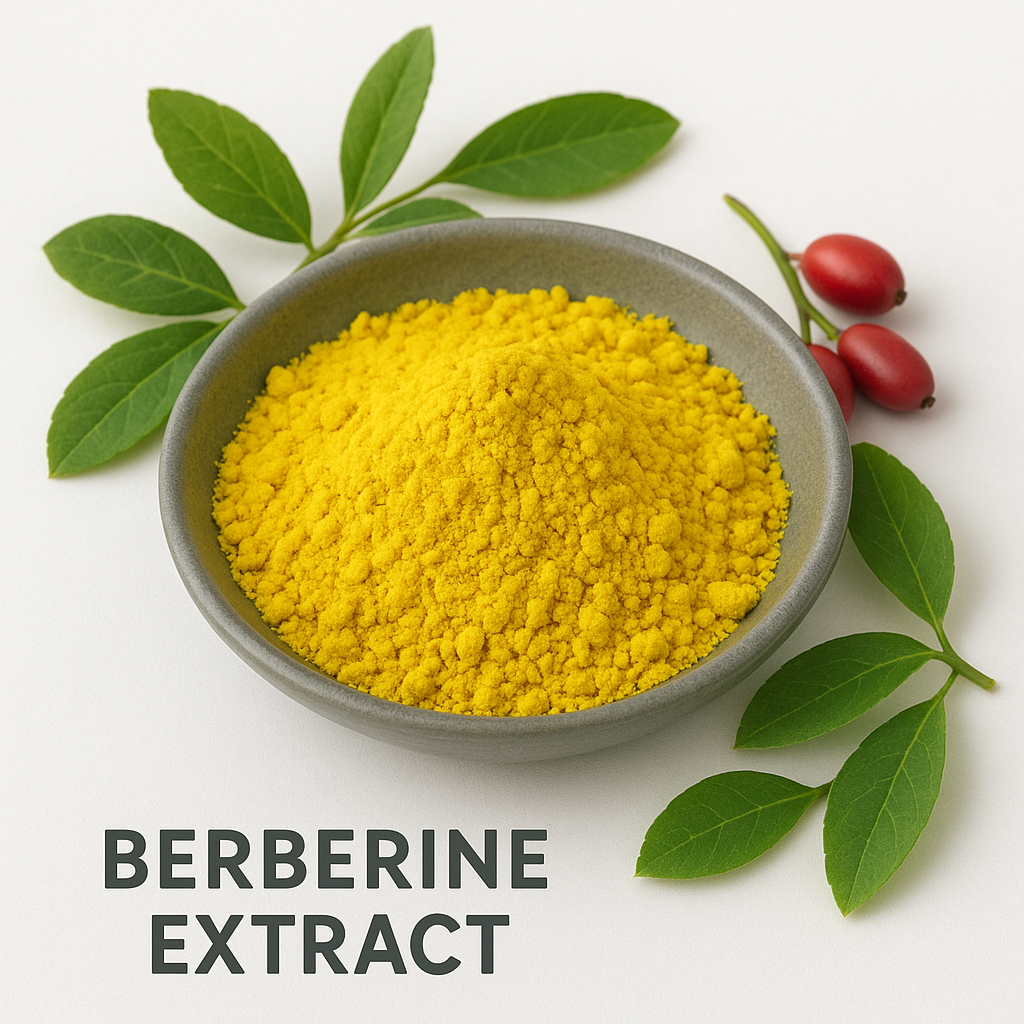
Berberine HCl: The Essential Guide for Nutraceutical Manufacturers?
Are you struggling to keep up with consumer demand for trending nutraceuticals? Many manufacturers face pressure to find effective, science-backed ingredients. Berberine HCl offers a powerful solution for growing your product line.
Berberine HCl is an alkaloid extract, widely studied for its potential health benefits, especially in metabolic support. It is a critical ingredient for nutraceutical manufacturers aiming to develop effective and competitive products for a health-conscious market.
[Berberine HCL powder]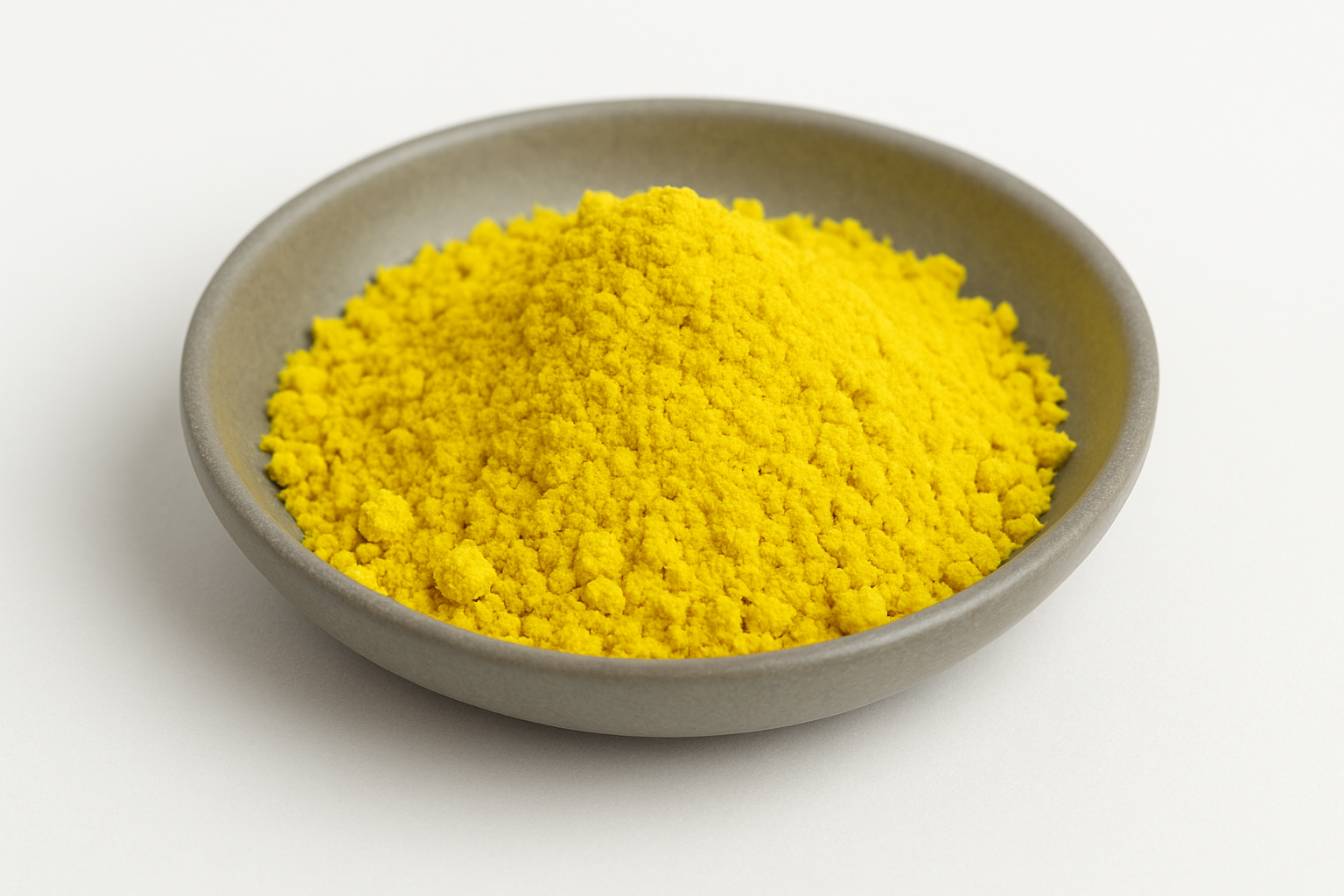
I remember when I first started in the nutraceutical industry; identifying truly impactful ingredients felt like searching for a needle in a haystack. But some ingredients, like Berberine HCl, clearly stand out. Let’s dig deeper into what makes this compound so valuable.
What is Berberine HCl and why is it crucial for nutraceutical products?
Are you unsure about the true potential of Berberine HCl for your product formulations? Many manufacturers overlook the foundational science behind this powerful ingredient. Understanding its core identity is key to unlocking its value.
Berberine HCl is a naturally occurring isoquinoline alkaloid, primarily found in plants like Berberis aristata. Its hydrochloride salt form (HCl) enhances absorption and bioavailability, making it a highly effective and crucial ingredient for nutraceuticals targeting metabolic health and beyond.
My journey in this industry has shown me that truly effective products start with a deep understanding of their core ingredients. Berberine HCl is no exception. Its unique properties make it a standout choice for forward-thinking manufacturers.
What sets Berberine HCl apart?
Berberine HCl is not just another herbal extract. It’s a specific, purified compound that delivers consistent effects. Many other extracts can vary greatly in their active content, but with Berberine HCl, you get a standardized product. This means you can create a reliable product.
The chemical structure of Berberine HCl
Berberine is an alkaloid. Alkaloids are natural compounds found in plants. The HCl part means it is a salt form. This salt form helps the body absorb it better. When you take Berberine HCl, more of the active compound gets into your system. This makes it more effective.
| Feature | Description | Importance for Nutraceuticals |
|---|---|---|
| Source | Derived from various Berberis species, such as Indian Barberry (Berberis aristata). | Natural origin appeals to consumers seeking plant-based solutions. |
| Formulation | Hydrochloride (HCl) salt form. | Improves solubility and absorption, leading to higher bioavailability. |
| Standardization | Typically standardized to a high percentage of berberine, e.g., 97% or 98%. | Ensures consistent potency and predictable effects in finished products. |
| Mechanism | Acts on multiple molecular targets, including AMPK activation, inhibition of PCSK9, and gut microbiome modulation. | Versatile for various health applications, especially metabolic health. |
| Safety Profile | Generally recognized as safe (GRAS) when used appropriately; extensive research supports its use. | Reduces regulatory hurdles and builds consumer trust. |
From my experience, understanding these details helps a lot. It allows you to explain the "why" behind your product to your customers. It also helps you choose the right quality of raw material.
How does Berberine HCl actually work in the body?
Are you wondering how Berberine HCl delivers its promised health benefits? Many manufacturers know it works but don’t understand the science behind it. Unpacking its mechanism of action is vital for product positioning and efficacy.
Berberine HCl works through multiple pathways in the body. It primarily activates AMPK, a key enzyme that regulates energy metabolism, and positively influences the gut microbiome. These actions contribute to its widespread effects on metabolic health, inflammation, and cellular function.
When I started my company, I learned that knowing how an ingredient works is just as important as knowing that it works. This deeper understanding lets you truly innovate. Let me share how Berberine HCl does its job.
AMPK activation: The core mechanism
One main way Berberine HCl works is by activating an enzyme called AMPK. Think of AMPK as your body’s "master switch" for metabolism. When AMPK is active, it helps your body use sugar and fat better. This is good for overall energy balance. It helps cells take in more glucose from the blood. This can lower blood sugar levels. It also helps burn fat for energy.
Gut microbiome modulation
Berberine HCl also affects the bacteria in your gut. It can help create a healthier balance of gut bacteria. A healthy gut microbiome is linked to many good things for your health, including better digestion and immune function. It can reduce bad bacteria and increase good bacteria. This balance helps with many body processes.
Other mechanisms
Berberine HCl does more than just these two things. It can also help reduce inflammation. It can improve how cells respond to insulin. It can also affect how fats are made and stored in the body. This multi-target approach is why it has so many different health benefits.
| Mechanism of Action | Description | Resulting Benefit for the Body |
|---|---|---|
| AMPK Activation | Directly activates Adenosine Monophosphate-Activated Protein Kinase (AMPK), a central regulator of cellular energy homeostasis. | Improved glucose uptake by cells, reduced glucose production in the liver, enhanced fat metabolism. |
| Gut Microbiome Modulation | Influences the composition and function of gut bacteria, promoting a healthier balance. | Better digestive health, reduced gut inflammation, potential improvement in metabolic markers. |
| Insulin Sensitivity | Enhances insulin signaling pathways, improving the body’s response to insulin. | Lower blood sugar levels, better management of glucose. |
| Lipid Metabolism Regulation | Inhibits key enzymes involved in cholesterol and triglyceride synthesis, and promotes cholesterol excretion. | Reduced levels of "bad" cholesterol (LDL) and triglycerides. |
| Anti-inflammatory Effects | Suppresses inflammatory pathways by inhibiting pro-inflammatory cytokines and enzymes. | Reduction in systemic inflammation, potential relief from chronic inflammatory conditions. |
| Antioxidant Activity | Possesses direct antioxidant properties and enhances the body’s endogenous antioxidant defenses. | Protects cells from oxidative stress and damage. |
Understanding these mechanisms is crucial. It helps you talk about your product with confidence. It also lets you target specific health needs for your customers.
What are the key benefits of Berberine HCl that consumers are looking for?
Are you unsure which health claims resonate most with consumers for Berberine HCl? Many manufacturers struggle to highlight the most sought-after benefits. Pinpointing these key areas is crucial for effective marketing and product development.
Consumers are actively seeking Berberine HCl for its scientifically supported benefits, primarily in metabolic health, including blood sugar support, cholesterol management, and weight management. Its potential for gut health and anti-inflammatory effects also attracts significant interest, driving demand for innovative nutraceutical products.
When I talk to my clients, they always ask, "What problems does this ingredient solve for my customers?" With Berberine HCl, the answer is clear. It addresses several major health concerns people face today.
Blood sugar management
This is perhaps the most well-known benefit. Many people are looking for natural ways to keep their blood sugar levels healthy. Berberine HCl helps the body use glucose more effectively. It can lower blood glucose levels, especially after meals. This is a big deal for people who want to avoid sugar spikes. I’ve seen many companies successfully position products around this benefit.
Cholesterol and lipid support
Beyond blood sugar, Berberine HCl also helps with cholesterol levels. It can help reduce "bad" cholesterol (LDL) and triglycerides. It also helps increase "good" cholesterol (HDL). This is great for heart health. Consumers are becoming more aware of their cholesterol numbers.
Weight management
Because Berberine HCl helps with metabolism, it can also support weight management efforts. It can help regulate fat storage and promote fat burning. It is not a magic pill for weight loss, but it can be a helpful addition to a healthy diet and exercise plan. People are always looking for natural ways to support their weight goals.
Gut health and inflammation
We touched on gut health earlier. Berberine HCl helps balance gut bacteria. This can lead to better digestion and less discomfort. It also has anti-inflammatory effects throughout the body. Chronic inflammation is a concern for many.
| Consumer Benefit Area | Specific Outcomes | Market Appeal |
|---|---|---|
| Blood Sugar Support | Helps maintain healthy blood glucose levels, especially post-meal. | High demand from individuals managing blood sugar and those seeking preventative health. |
| Cholesterol Management | Supports healthy cholesterol levels, including LDL, HDL, and triglycerides. | Appeals to individuals concerned about cardiovascular health. |
| Weight Management | Aids in healthy metabolism, fat burning, and reduced fat storage. | Sought after by those looking for natural support in weight control efforts. |
| Gut Health | Promotes a balanced gut microbiome, supporting digestive comfort. | Growing interest in digestive wellness and the gut-brain axis. |
| Anti-Inflammatory | Contributes to a healthy inflammatory response throughout the body. | Attracts consumers focused on overall wellness and cellular health. |
| Cardiovascular Health | Supports overall heart function by improving various metabolic markers. | Broad appeal to health-conscious individuals. |
These benefits make Berberine HCl a very versatile ingredient. It allows you to create products that meet diverse consumer needs. I always advise my clients to clearly highlight these benefits in their product messaging.
How can you ensure the quality and purity of your Berberine HCl?
Are you worried about the consistency and safety of your Berberine HCl supply? Many manufacturers struggle with ensuring high quality in a complex global market. Guaranteeing quality and purity is non-negotiable for consumer trust and product efficacy.
Ensuring the quality and purity of Berberine HCl demands rigorous testing and transparent sourcing. Manufacturers must verify certificate of analysis (CoA) for potency, heavy metals, pesticides, and microbial contaminants. Working with reputable suppliers who adhere to GMP standards is crucial for consistent, safe, and effective products.
Quality control lab
Early in my career, I learned a tough lesson about quality. A small lapse can have huge consequences. With Berberine HCl, like any ingredient, vigilance is key. Here’s how I guide my clients to ensure top-notch quality.
Supplier selection is paramount
Choosing the right supplier is the first step. Not all suppliers are created equal. Look for those with a proven track record. They should be able to provide all necessary documentation. I always recommend visiting facilities if possible, or at least conducting thorough audits. A good supplier is a partner, not just a vendor.
Certificate of Analysis (CoA) verification
Every batch of Berberine HCl should come with a Certificate of Analysis (CoA). This document is your quality report card. It should confirm:
- Purity: What percentage is actual berberine HCl? Look for 97% or higher.
- Contaminants: It must be tested for heavy metals (lead, arsenic, cadmium, mercury). It must also be tested for pesticides and microbial limits (bacteria, yeast, mold).
- Identity: Confirms it is indeed Berberine HCl.
Do not just take the CoA at face value. It is good practice to do your own third-party testing for critical parameters. This extra step gives you peace of mind and protects your brand.
Good Manufacturing Practices (GMP)
Your supplier should follow GMP. This means they have strict quality control systems in place. GMP ensures consistency from batch to batch. It covers everything from facility hygiene to equipment maintenance. This leads to a safer and more reliable product.
| Quality Aspect | Key Tests/Checks | Why It Matters for Nutraceuticals |
|---|---|---|
| Potency | HPLC analysis for berberine content (e.g., ≥97%). | Ensures product delivers the intended dose and therapeutic effect. |
| Purity | Identification (e.g., FTIR, UV-Vis) and absence of adulterants. | Confirms the material is genuinely Berberine HCl and not a cheaper substitute. |
| Heavy Metals | ICP-MS for lead, cadmium, mercury, arsenic. | Critical for consumer safety; heavy metals are toxic even at low levels. |
| Pesticide Residues | GC-MS/LC-MS for common agricultural pesticides. | Protects consumers from harmful chemical exposure, especially relevant for plant extracts. |
| Microbial Contaminants | Total Plate Count, Yeast & Mold, E. coli, Salmonella. | Prevents product spoilage and ensures safety from pathogenic microorganisms. |
| Solvent Residues | GC-FID for residual solvents from the extraction process. | Ensures no harmful processing chemicals remain in the final ingredient. |
| Moisture Content | Karl Fischer titration. | Affects stability and shelf life of the ingredient and finished product. |
Following these steps is not just about compliance. It’s about building a brand that consumers trust. High-quality ingredients lead to high-quality products.
What should you consider when sourcing Berberine HCl for large-scale production?
Are you facing challenges in securing a stable and cost-effective supply of high-quality Berberine HCl for mass production? Many manufacturers encounter bottlenecks and quality inconsistencies. Optimizing your sourcing strategy is critical for scaling your operations.
When sourcing Berberine HCl for large-scale production, manufacturers must prioritize supplier reliability, scalability, and consistent quality. Key considerations include long-term contract options, bulk pricing, detailed documentation, and robust traceability systems to ensure a steady, high-quality, and compliant supply chain.
My role often involves helping companies navigate the complexities of global sourcing. When it comes to ingredients like Berberine HCl, scaling up can bring new challenges. But with the right strategy, you can make it smooth.
Long-term supply agreements
For large-scale production, you need a steady supply. Short-term spot buys are risky. Work with your supplier to set up long-term contracts. This helps lock in pricing and ensures availability. It also builds a stronger relationship with your supplier. This relationship is very important when market conditions change.
Bulk pricing and cost optimization
When you buy in large volumes, you should get better prices. Negotiate for bulk discounts. But do not just focus on the lowest price. The cheapest option can sometimes lead to quality issues later. Balance cost with quality and reliability. Think about the total cost, not just the unit price. This includes shipping, testing, and potential rework costs.
Regulatory compliance and documentation
Every country has its own rules for nutraceutical ingredients. Make sure your supplier understands and meets these rules. You will need clear documentation for regulatory bodies. This includes:
- Manufacturing process details: How is it made?
- Stability data: How long does it stay potent?
- GMO status: Is it genetically modified? (Usually no for natural extracts)
- Allergen statements: Are there any common allergens?
This documentation is essential for getting your products approved and sold. I often help clients gather and review these documents.
Traceability from farm to factory
You should know where your Berberine HCl comes from. A good supplier can trace their product back to its origin. This means knowing which plants were used and where they were grown. This helps with quality control. It also helps with ethical sourcing concerns. Consumers care more and more about where ingredients come from.
| Sourcing Consideration | Key Action Points | Impact on Large-Scale Production |
|---|---|---|
| Supplier Reliability | Establish relationships with suppliers having a proven track record and financial stability. | Ensures consistent supply, minimizes disruptions, and fosters trust. |
| Scalability | Verify supplier’s capacity to meet growing demand and handle large order volumes. | Prevents bottlenecks, ensures production continuity, and supports market expansion. |
| Cost Management | Negotiate competitive bulk pricing, analyze total cost of ownership (TCO). | Optimizes profitability without compromising quality. |
| Quality Assurance | Implement comprehensive testing protocols (in-house and 3rd party), verify CoAs. | Guarantees product safety, efficacy, and compliance; reduces recall risks. |
| Regulatory Compliance | Ensure all documentation (GMP, Kosher, Halal, Allergen, GMO) is available and up-to-date. | Facilitates market entry, prevents legal issues, and builds consumer confidence. |
| Logistics & Storage | Plan for efficient shipping, customs, and proper storage conditions. | Reduces lead times, minimizes spoilage, and optimizes inventory management. |
| Risk Management | Develop contingency plans for supply chain disruptions, geopolitical changes. | Protects against unforeseen events and maintains business continuity. |
By focusing on these points, you can build a strong and reliable supply chain for Berberine HCl. This will allow your business to grow smoothly. It ensures you can meet the demands of your customers.
Conclusion
Berberine HCl is a powerful, versatile ingredient for nutraceuticals, offering significant benefits from metabolic health to gut support. Prioritizing quality, understanding its mechanisms, and strategic sourcing are key for manufacturers to create successful, impactful products.