Apigenin: The Next Big Thing in Nutraceuticals for Sleep and Brain Health?
Apigenin: The Next Big Thing in Nutraceuticals for Sleep and Brain Health?
Are you a nutraceutical factory purchaser like Jacky, constantly seeking cutting-edge ingredients to enhance your product lines? The search for effective, natural solutions for sleep and cognitive support is hotter than ever. Apigenin might be the ingredient you’re looking for.
Apigenin is a versatile flavonoid recognized for its significant potential in nutraceuticals, particularly for its calming effects, neuroprotective properties, and robust antioxidant and anti-inflammatory actions, making it ideal for formulations targeting improved sleep, stress reduction, and cognitive function.
Unlocking Apigenin’s Potential
I started my journey in the nutraceutical industry many years ago. I saw a lot of promising ingredients come and go. But some, like Apigenin, really stand out. They have a solid scientific basis and show real potential. This is why I want to share more about it.
What Exactly is Apigenin, a Key Nutraceutical Ingredient?
Are you wondering what this ingredient really is? You might be asking how it fits into the world of dietary supplements. It’s important to know the basics.
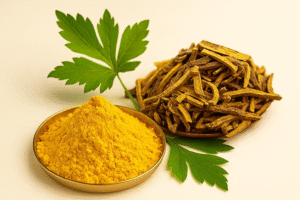
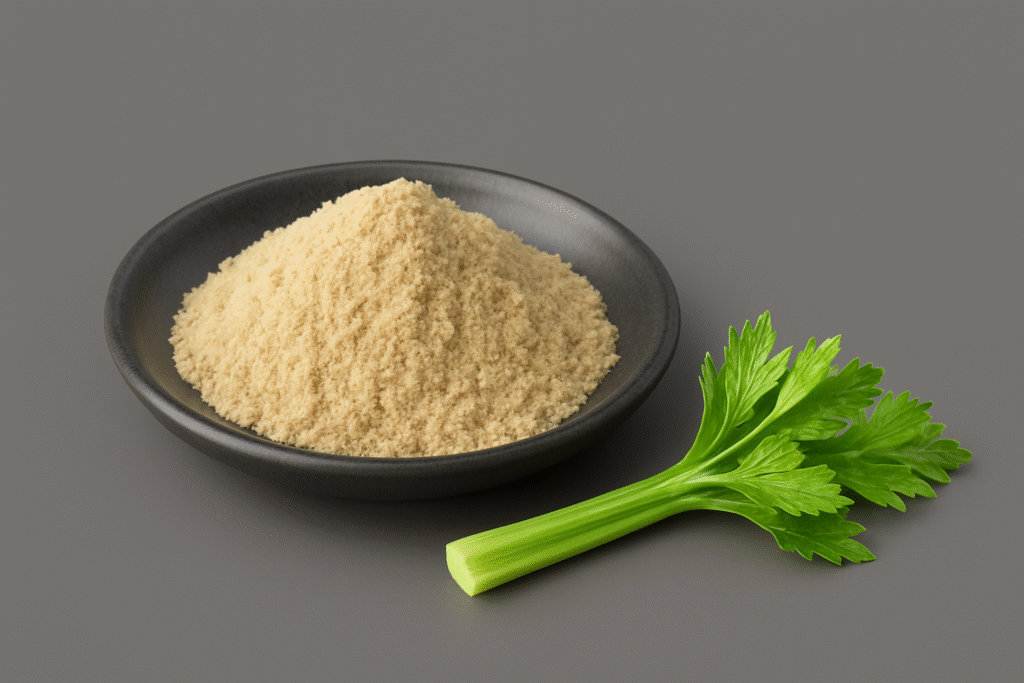
Apigenin is a natural flavonoid found in various plants, including chamomile, parsley, and celery. It acts as a powerful antioxidant and anti-inflammatory agent, making it a valuable component for nutraceutical products aimed at supporting overall health and specific bodily functions.
Apigenin’s Chemical Structure
I remember when I first started learning about plant compounds. It was fascinating to see how a small molecule could have such big effects. Apigenin is a great example of this. It has a specific chemical structure that gives it its unique properties. This structure allows it to interact with our bodies in beneficial ways.
Where Do We Find Apigenin in Nature?
Apigenin is found in many common foods. Chamomile tea is a well-known source. Parsley, celery, and oranges also contain it. This means many people already consume Apigenin regularly. Knowing its natural sources helps us understand its role in diets.
| Plant Source | Common Uses | Apigenin Content (Relative) |
|---|---|---|
| Chamomile | Tea, calming aid | High |
| Parsley | Culinary herb, garnish | High |
| Celery | Vegetable, juice | Medium |
| Oranges | Fruit, juice | Low |
| Artichokes | Vegetable | Medium |
How Does Apigenin Work in Our Bodies?
Apigenin works in several ways. It helps fight free radicals, which cause cell damage. This is its antioxidant effect. It also reduces inflammation. Inflammation is linked to many health problems. By doing these things, Apigenin supports overall health. It interacts with various cellular pathways. These interactions lead to its beneficial effects. This understanding helps us design better supplements.
What Are the Key Functions of Apigenin in Health?
Are you curious about the health benefits Apigenin offers? Many people want to know what it can do for them. Its functions are quite diverse and very promising.
Apigenin demonstrates diverse health functions, including promoting relaxation and sleep, supporting cognitive health, providing antioxidant protection, and acting as an anti-inflammatory agent, making it beneficial for various nutraceutical applications.
Apigenin’s Health Benefits
When I look at new ingredients, I always ask: "What problem does it solve?" For Apigenin, the answer is many. Its versatility makes it attractive. From helping with sleep to protecting cells, its functions are valuable for consumers.
How Does Apigenin Help with Sleep and Relaxation?
Many people struggle with sleep. Apigenin is known for its calming effects. It can bind to certain receptors in the brain. These receptors are involved in sleep regulation. This binding can promote relaxation. It can also help improve sleep quality. This makes it a popular ingredient in sleep-aid formulations.
| Benefit Area | Mechanism of Action | Common Applications |
|---|---|---|
| Sleep Promotion | Binds to GABA-A receptors, induces calm | Sleep aids, relaxation supplements |
| Anxiety Reduction | Modulates neurotransmitter activity | Stress relief products |
Can Apigenin Support Brain Health?
Cognitive health is a growing concern. Apigenin has shown potential in this area. It can cross the blood-brain barrier. This means it can affect brain cells directly. It has neuroprotective properties. It can reduce inflammation in the brain. This might help protect against cognitive decline. Some studies suggest it can support memory and learning.
What About Apigenin’s Antioxidant and Anti-Inflammatory Properties?
These are core functions of Apigenin. Antioxidants protect cells from damage. This damage is caused by free radicals. Free radicals are unstable molecules. Apigenin helps neutralize them. Its anti-inflammatory action is also very important. It can reduce pathways that cause inflammation. This helps in managing many chronic conditions. These properties are why it is so widely researched.
Where is Apigenin Applied in Food Supplements?
Are you wondering where Apigenin fits into the supplement market? Its broad benefits mean it’s used in many different products. Understanding its applications helps us see its market value.
Apigenin is widely applied in food supplements targeting sleep support, cognitive enhancement, anti-aging, and immune system modulation, due to its beneficial physiological effects and strong safety profile.
Apigenin Supplement Formulations
Working with manufacturers, I often see how they integrate new ingredients. Apigenin’s versatility makes it easy to formulate. It can be a standalone ingredient or part of a complex blend. This flexibility is a big plus for product development.
How is Apigenin Used in Sleep and Stress Relief Supplements?
This is one of Apigenin’s most popular uses. Because it helps with relaxation, it’s perfect for sleep aids. Many brands include it in "calming" formulas. These products aim to reduce stress. They also help improve sleep quality. Consumers look for natural solutions. Apigenin provides a good option for them.
| Product Category | Primary Benefit | Target Consumer |
|---|---|---|
| Sleep Aids | Improved sleep onset and quality | Individuals with insomnia, restless sleepers |
| Anti-Stress Formulas | Reduced anxiety, enhanced relaxation | People experiencing daily stress |
| Relaxation Teas/Drinks | Calming effect | Anyone seeking gentle relaxation |
What Role Does Apigenin Play in Cognitive and Anti-Aging Formulations?
For brain health, Apigenin is gaining traction. It is used in "brain booster" supplements. These aim to improve focus and memory. Its antioxidant effects also make it good for anti-aging products. It helps protect cells from damage. This can slow down aging processes. These applications cater to a growing market. People want to stay sharp and youthful.
How is Apigenin Used for Immune Support and General Wellness?
Apigenin also helps the immune system. Its anti-inflammatory properties are key here. It can help the body respond better to challenges. This makes it useful in general wellness supplements. These products aim to support overall health. They help maintain balance in the body. I’ve seen many companies adding it to their "daily health" blends.
Conclusion
Apigenin is a powerful flavonoid with diverse benefits. It supports sleep, brain health, and immunity. Its antioxidant and anti-inflammatory actions make it a valuable ingredient in many nutraceutical products.